Walmart

Email Design System & Templates

Discover

Background

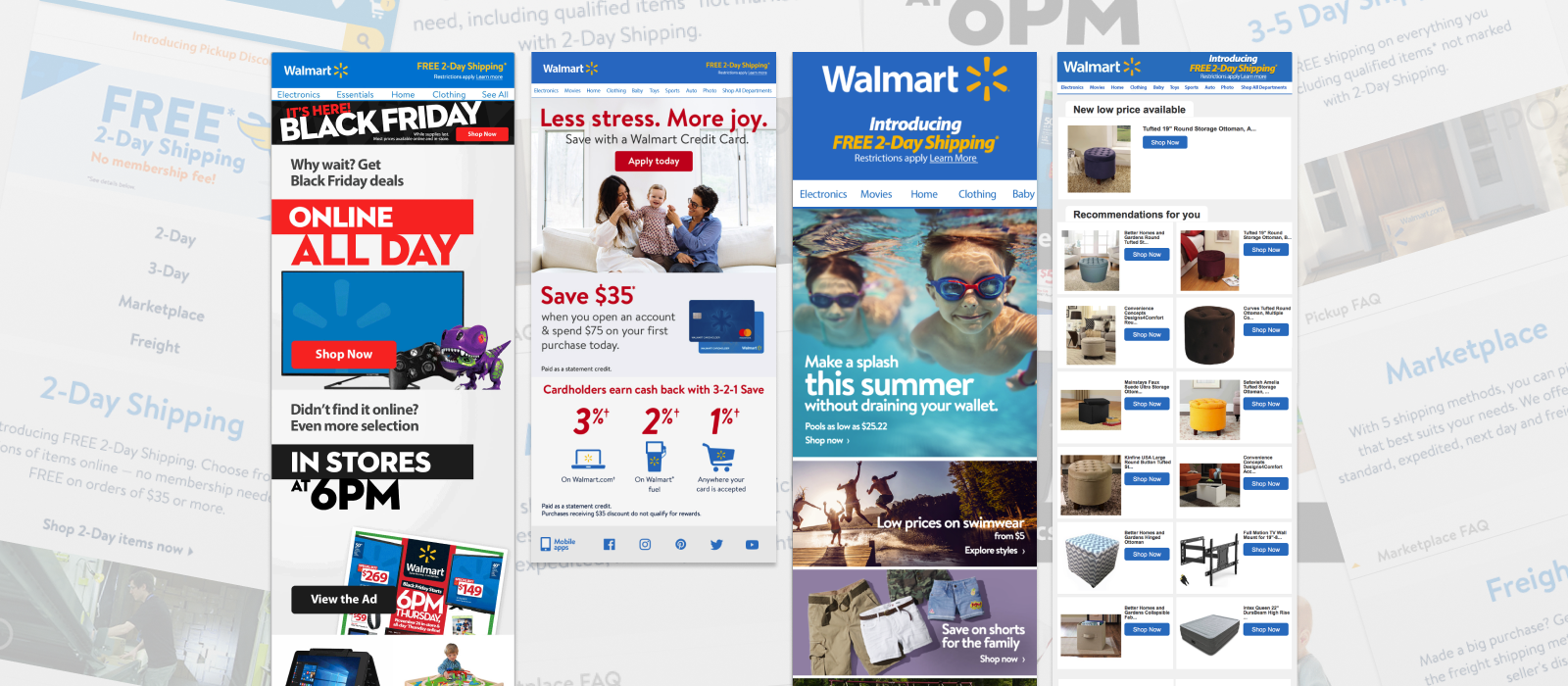
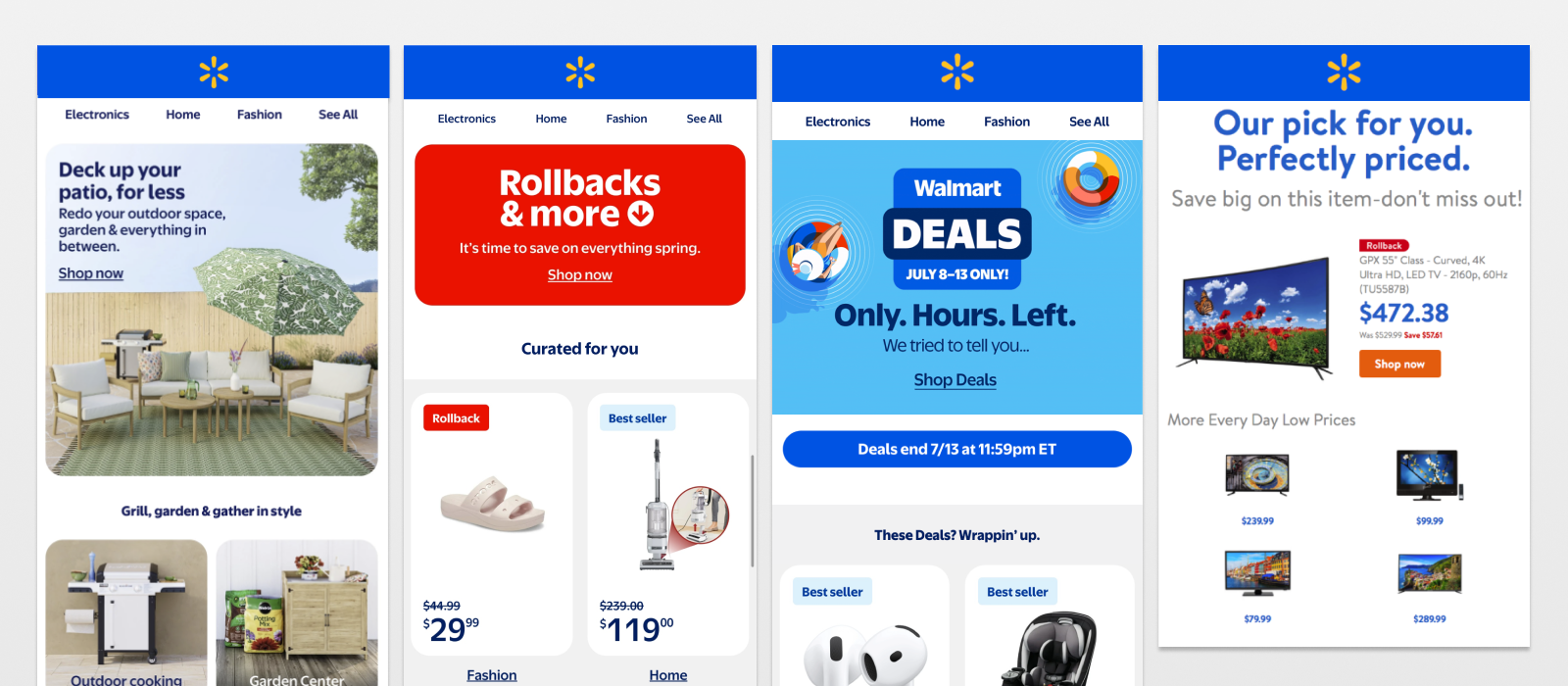
Walmart’s eCommerce email ecosystem had evolved haphazardly over time, resulting in inconsistent templates, fragmented customer experiences, and inefficiencies across marketing, CRM, and engineering teams. As a critical revenue-driving channel, email required a more scalable and cohesive system to support both business needs and customer expectations.

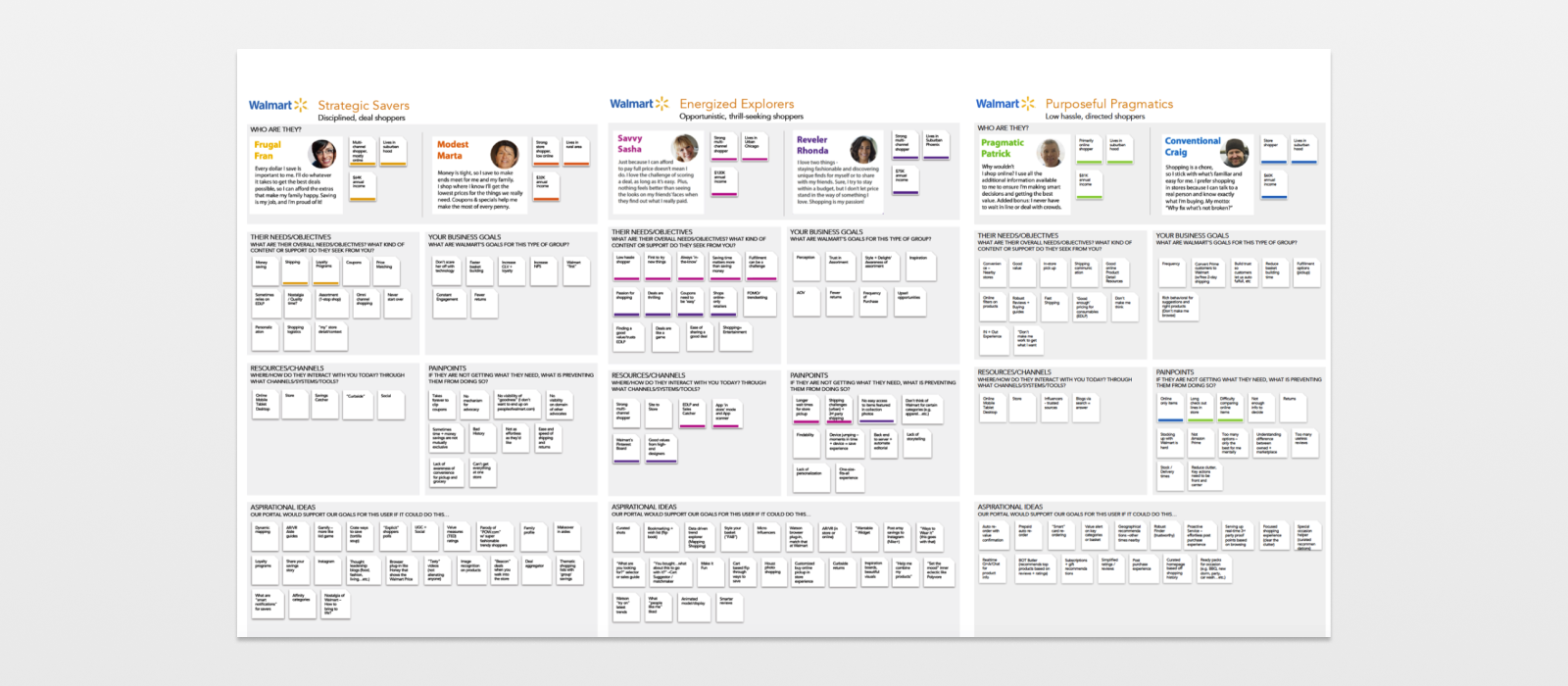
I was brought into the project to lead the redesign of the email system over a six-week engagement, guiding discovery, stakeholder alignment, and the rebuild of a scalable design foundation. During early discovery, a deeper issue surfaced: UX and Marketing were approaching the customer differently—personas vs. segmentations—with little alignment between teams.

Date: 2018

My Role: Head of Design, Walmart.com

Contributions: Led UX & Product Design Execution overseeing designers and partnering with stakeholders

The Problem

Teams were solving similar problems in different ways, leading to fragmented experiences and inefficient workflows.

At the same time, the lack of alignment between UX personas and marketing segmentations made it difficult to create cohesive, user-centered communications.

How might we create a scalable email system that aligns these perspectives—supporting both segmentation and user-centered thinking—while maintaining consistency and speed?

Approach

Given the pace and volume of production, I focused on creating a system that could be implemented quickly while supporting long-term scalability.

I partnered closely with business stakeholders to align on goals and customer understanding, while directing the design team in shaping the system and experience.

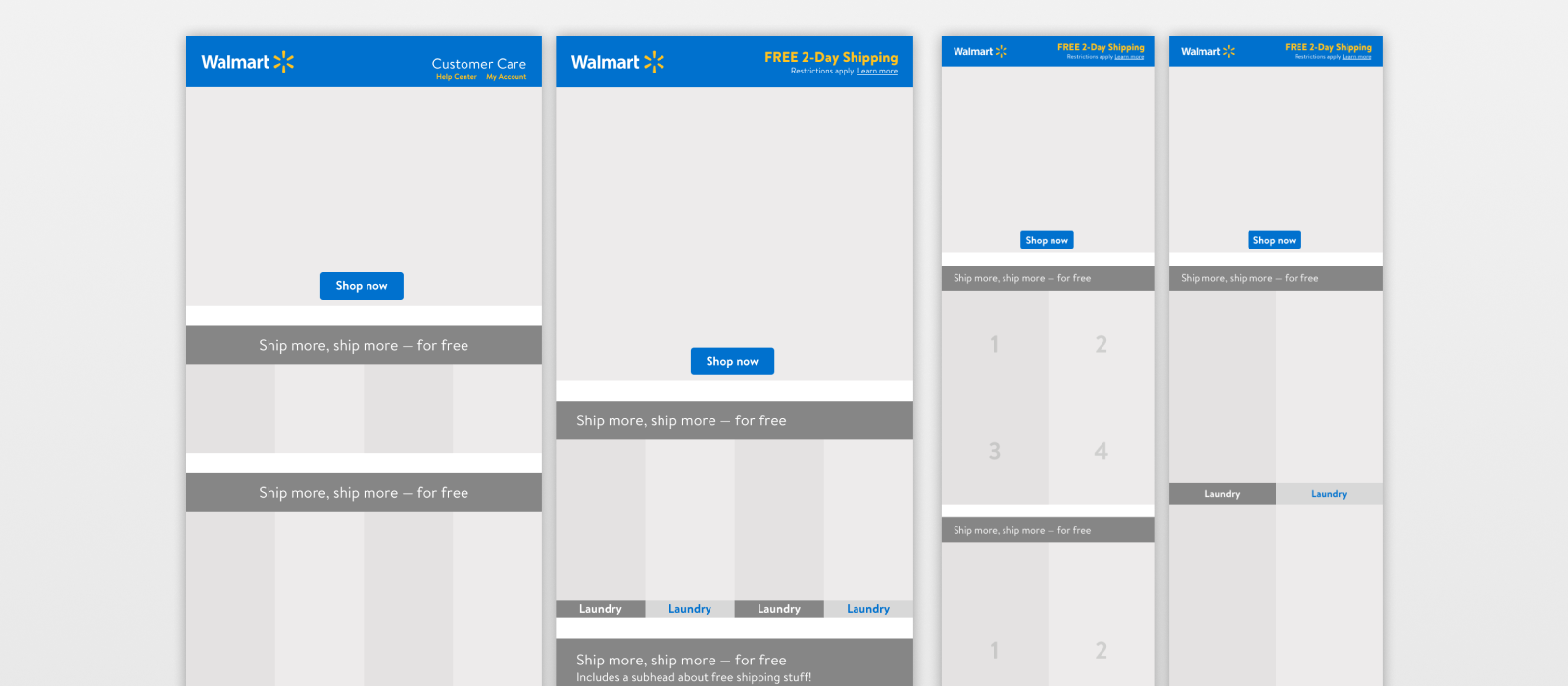
Rather than redesigning individual emails, I approached the problem as a system—aligning structure, content, and components to support a wide range of use cases.

A key part of this work was bridging the gap between UX and Marketing—creating a shared framework that could support both user needs and targeted messaging strategies.

Research Methods
  • Audit of existing email designs across campaigns and triggers
  • Pattern analysis to identify inconsistencies in layout, content, and hierarchy
  • Collaboration with marketing, product, and engineering to understand production workflows
  • Review of platform constraints across email clients and devices
Constraints, Risks & Blind Spots
  • High production volume with limited time for overhaul
  • Technical limitations across email clients and rendering environments
  • Risk of disrupting existing marketing workflows
  • Need to balance flexibility for segmentation with system consistency

Design

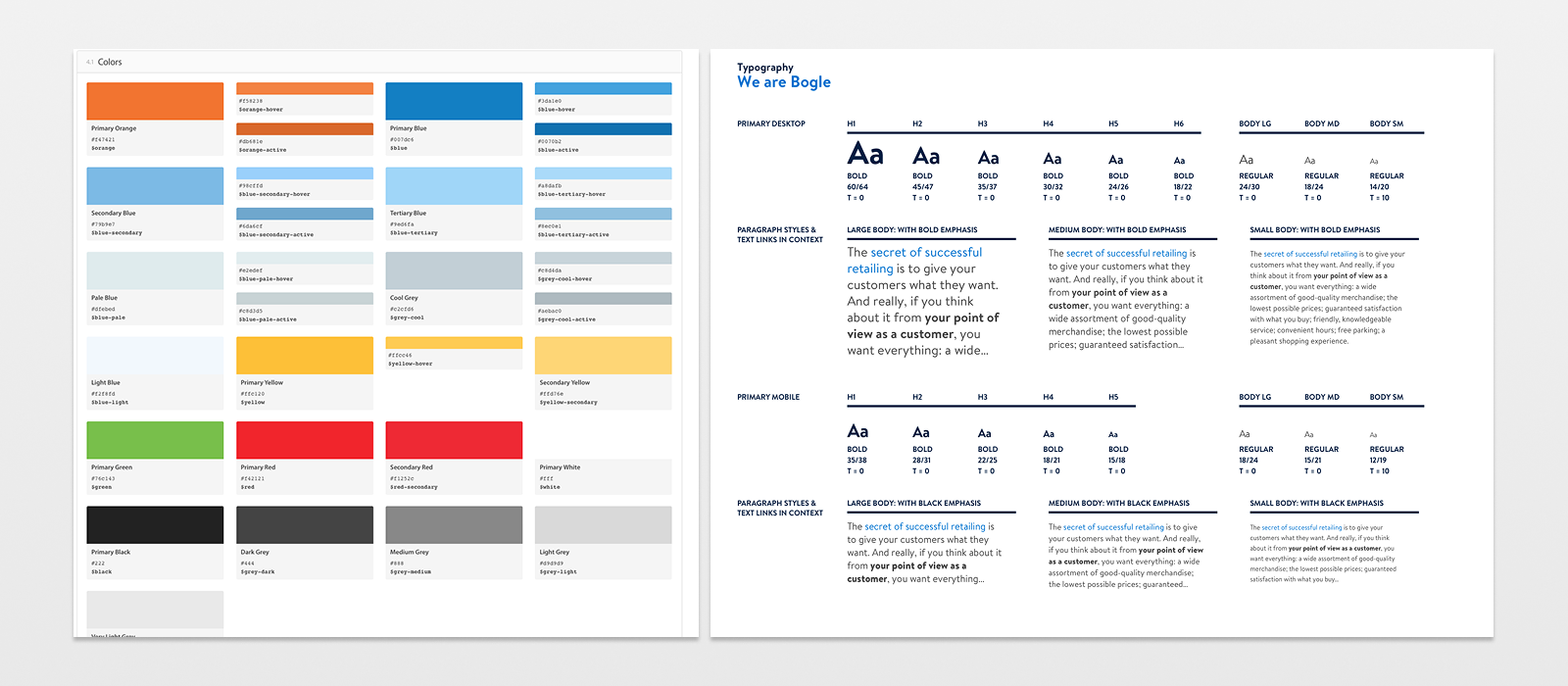
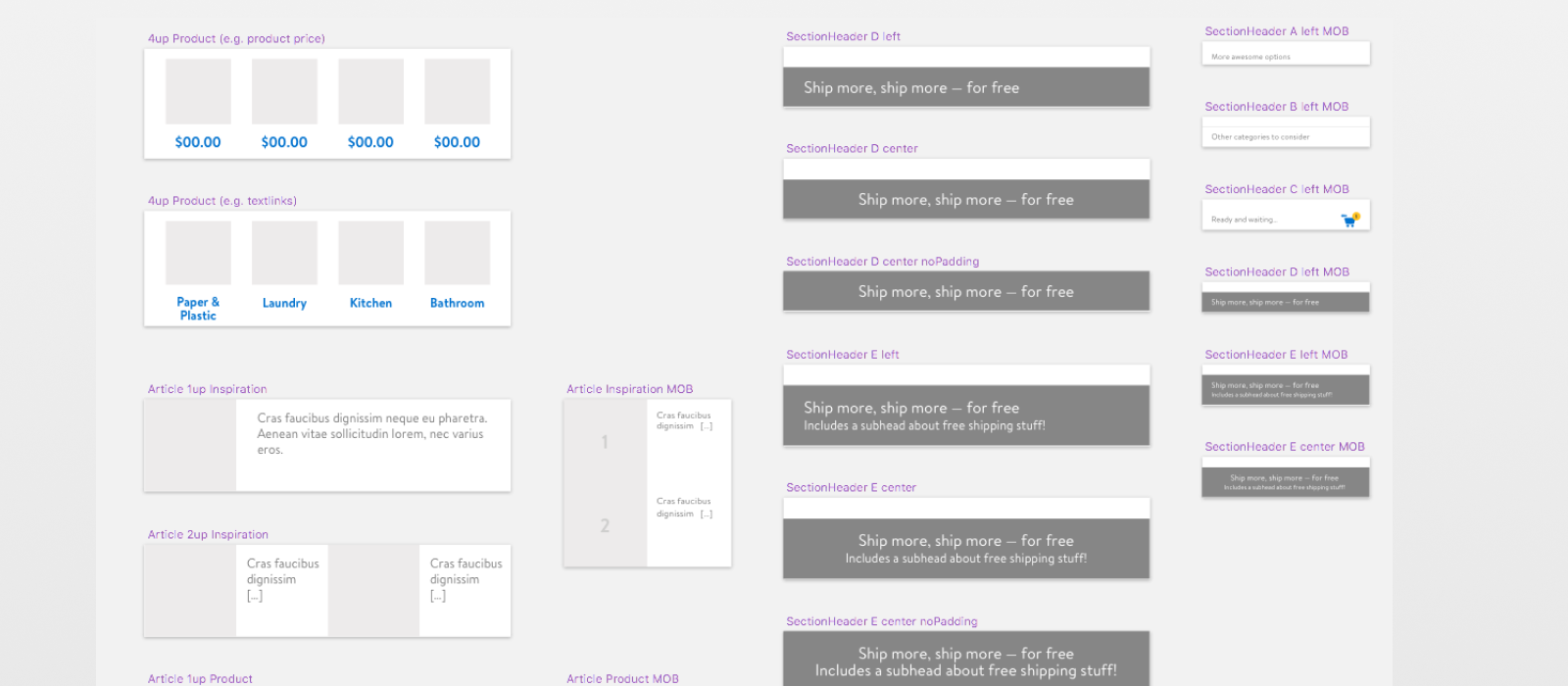
Building Design Files

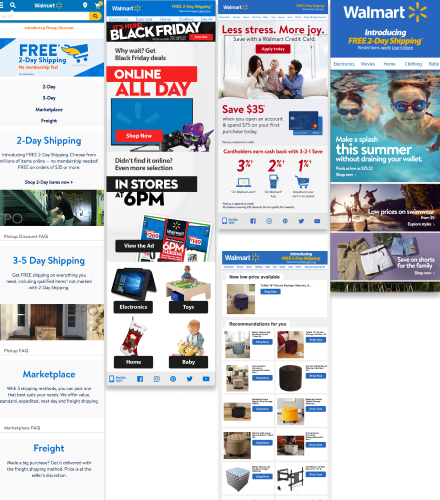
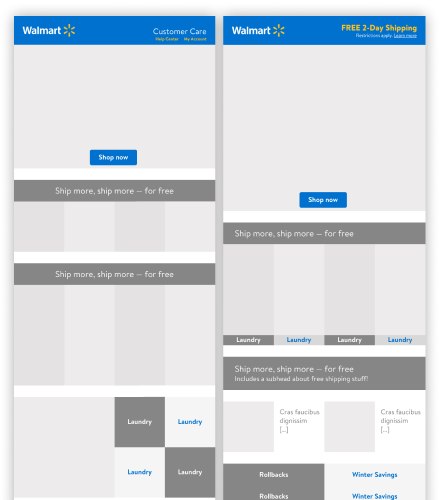
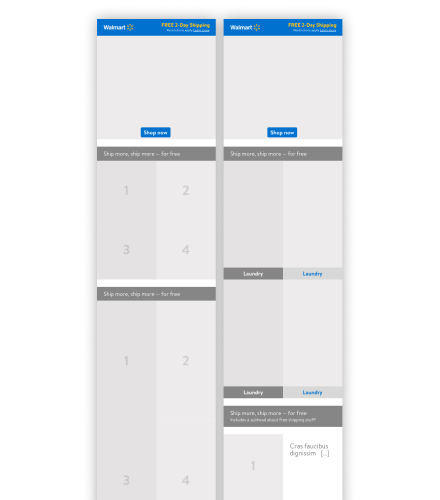
I directed the design team in exploring layout, hierarchy, and modular structure—defining how content could scale across campaign types and user segments.

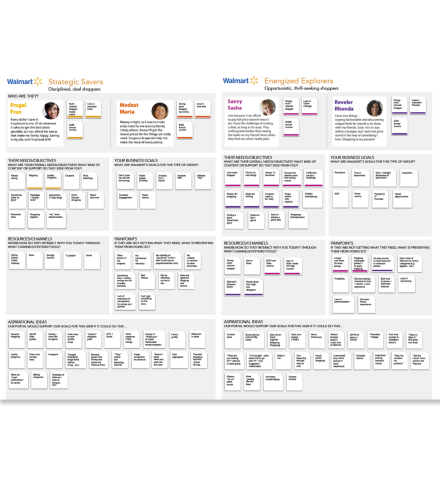
A key challenge was aligning UX personas with marketing segmentations—for my team to succeed in ensuring the system could support both user behavior and targeted messaging without creating fragmentation.

DEVELOP

Test & Iterate

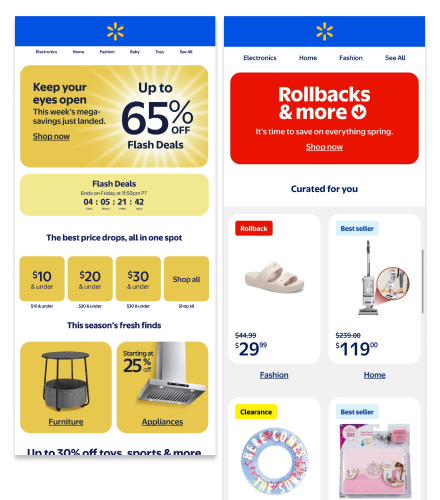
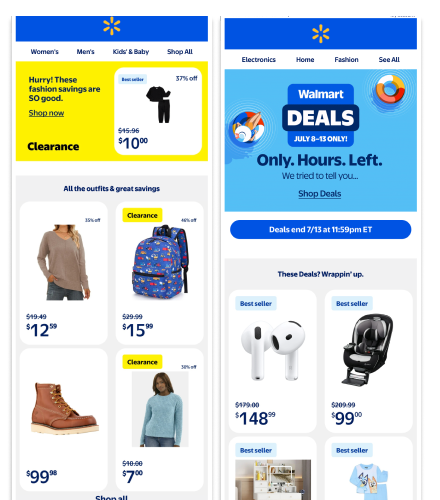
Instead of traditional prototypes, we validated the system directly in production—using existing hand-coded workflows to test new layouts in live campaigns.

This created immediate feedback loops, allowing us to refine the system in real conditions.

We refined components and layouts based on real campaign usage—balancing flexibility for segmentation with consistency across the system.

Iterate

I led rapid iteration cycles based on live performance insights and stakeholder feedback, prioritizing changes that improved clarity and consistency while ensuring the system remained scalable across use cases.

Handoff

I partnered closely with engineering and marketing to integrate the system into production workflows—ensuring it could be used efficiently across ongoing campaigns and triggered communications.

Findings

Success Metrics

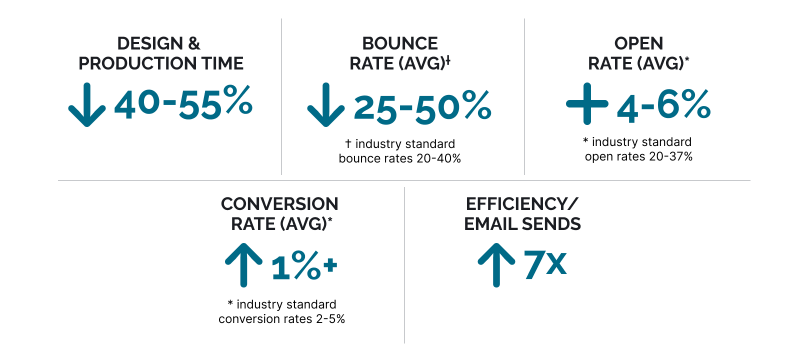
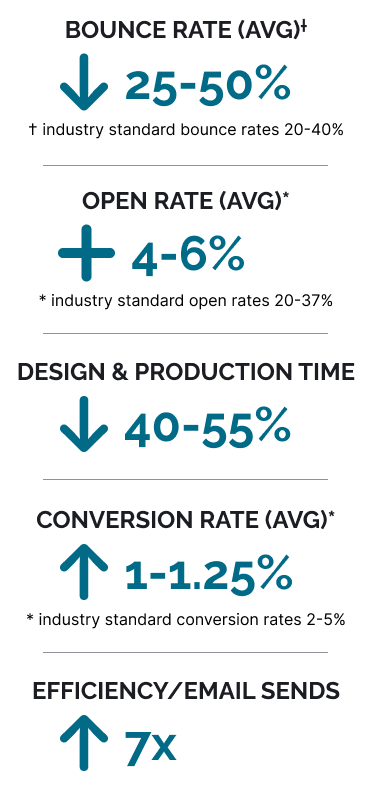
The introduction of a scalable, atomic email system drove measurable improvements across both operational efficiency and customer engagement:

Walmart data
Walmart data
Learnings

Design systems are just as critical in marketing as they are in product—especially at scale.

Bridging UX and Marketing required more than a shared system. It required a shared understanding of the customer, aligning personas and segmentation into a cohesive approach.

Opportunities
  • Expand the system into a fully documented email design system
  • Establish governance and contribution models across teams
  • Continue evolving personalization and dynamic content capabilities
  • Further improve accessibility and performance across email clients